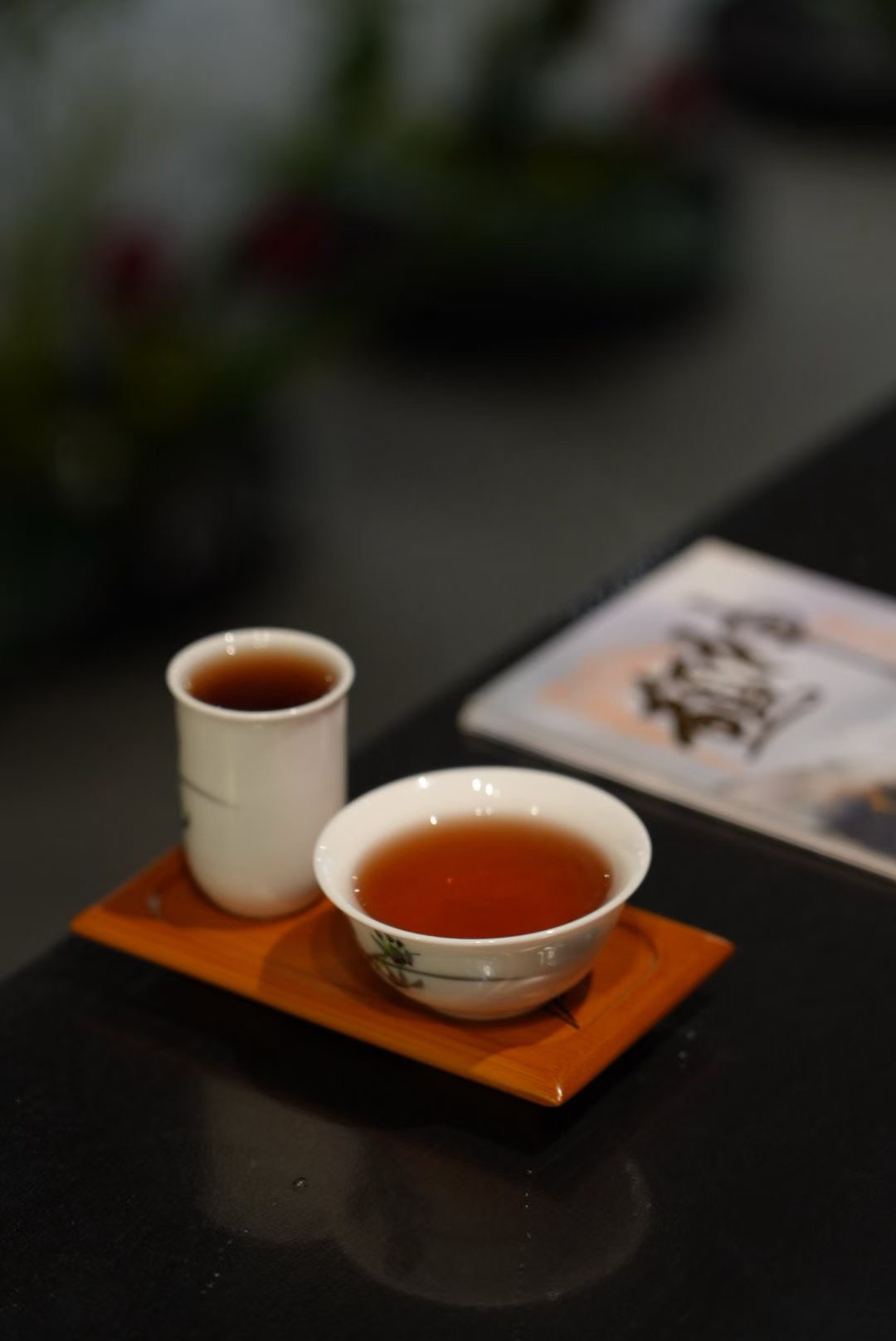
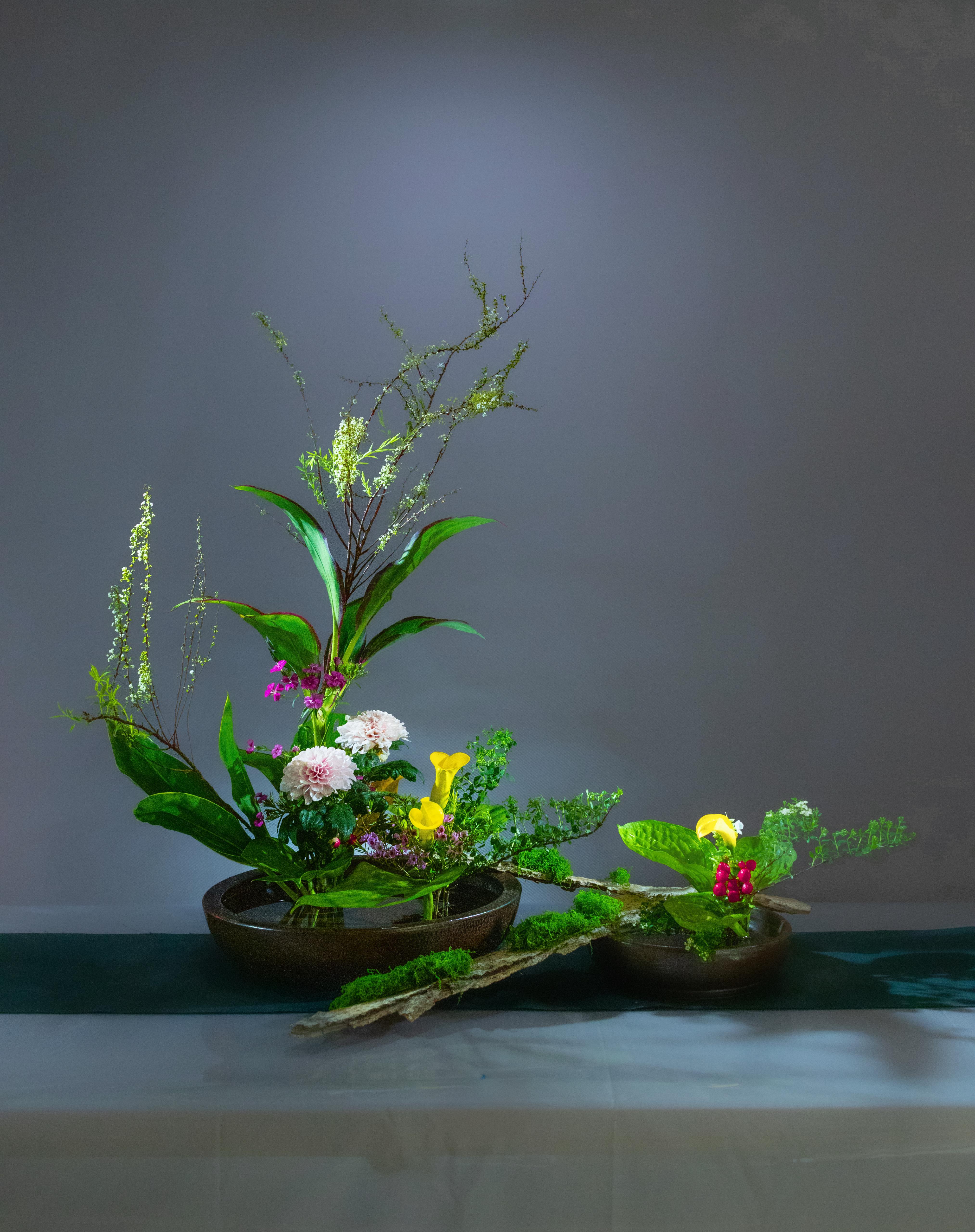
Tea is an essential part of Chinese daily life, aesthetics, and spiritual
civilization. More than a beverage, tea is a cultural expression that embodies philosophical
thought, ethical values, and aesthetic pursuit.
Since ancient times, the Chinese approach to tea has emphasized harmony with nature and
respect for seasonal rhythms, focusing on the balance between the character of tea and the
human mind. Tea practices value purity, simplicity, and the ideals of truth, goodness, and
beauty, reflecting the Confucian principle of moderation, the Daoist view of naturalness,
and the sense of calm and concentration found in Chan (Zen) thought.
Tea also serves as a medium for hospitality, friendship, and self-cultivation. Through the
appreciation of tea, scholars and literati expressed emotions and refined their character,
allowing tea to merge naturally with poetry, calligraphy, painting, incense, music, and
floral arts, forming a distinctive way of life and aesthetic tradition.
With the development of tea-making techniques, China formed six major categories of tea:
green, white, yellow, oolong, black, and dark tea. These diverse tea types reflect wisdom
rooted in local conditions and respect for nature. Each category offers its own unique
character, together shaping the richness and diversity of Chinese tea culture.
Chinese tea goes beyond the flavor of a single cup; it represents a way of life that nurtures
the body, calms the mind, and invites reflection on life itself. Crossing time and
geography, tea has traveled across the world, continuing to nourish people everywhere.
Each day, you may find a quiet moment to brew a cup of tea, sit
down, savor it slowly, and rest in stillness.
绿茶 ·
GreenFresh, unoxidized
白茶 ·
WhiteDelicate, minimal
黄茶 ·
YellowMellow, slight oxidation
乌龙茶 ·
OolongComplex, partial oxidation
红茶 ·
BlackBold, fully oxidized
黑茶 ·
DarkEarthy, aged & fermented
🌸 Floral Art
The Origins and Evolution of Chinese Floral Art
中华花艺的起源与演变
By Melody Zhang
·December 4, 2024
The Origins of Chinese Floral Art
The origins of Chinese floral art trace back over 1,500 years to the Wei, Jin, and Northern and
Southern Dynasties, during which flowers were offered as part of Buddhist rituals. It is one of
China's significant classical arts. At the time, floral arrangements were used for festive
celebrations and religious offerings. Floral art could be seen in palace settings and on the
desks of scholars. Its popularity grew from the royal courts to religious spaces and then to the
general populace. People even established Flower Festival Day on the 15th day of the second
lunar month to celebrate the "birthday of all flowers," making it the second most important
festival of the time.
By the Tang and Song Dynasties, this art form, along with incense burning, tea brewing, and
calligraphy, was regarded as one of the "Four Arts of Life." It became a fundamental and
widespread skill of daily life. Unfortunately, by the late Qing Dynasty and early Republican
era, due to wars and hardships, the art of floral arrangement gradually declined, becoming
almost entirely unfamiliar to the general public.
Revival of Chinese Floral Art
In 1983, during a Japanese Ikebana workshop hosted by the Chinese Women's Orchid Association in
Taiwan, participants were astonished when the instructor revealed that Japanese Ikebana had its
roots in Chinese floral art. This revelation inspired a group of enthusiasts, led by Professor
Huang Yongchuan, to research and revive the rich history of Chinese floral art. In 1984, they
held the first Chinese Classical Floral Art Exhibition at Taiwan's National Museum of History,
marking the first such exhibition since the Tang and Song Dynasties.
Driven by a sense of cultural responsibility, Professor Huang Yongchuan established the Chinese
Floral Art Cultural and Educational Foundation in 1986. With a group of dedicated teachers, he
developed a structured theoretical and technical system for teaching Chinese floral art, thus
laying the foundation for its revival.
The Chinese Floral Art Education System
The cultivation of a floral artist, much like the blooming of a flower, requires time. The
learning process is divided into levels:
Lectures
Beginner
Intermediate
Advanced
Research Levels 1, 2, and 3
Senior Research
The entire training process takes about seven years. To become a certified Chinese floral art
instructor, students must pass an examination after completing the advanced course and then
undertake teacher training courses in the research class.
Characteristics of Chinese Floral Arrangements
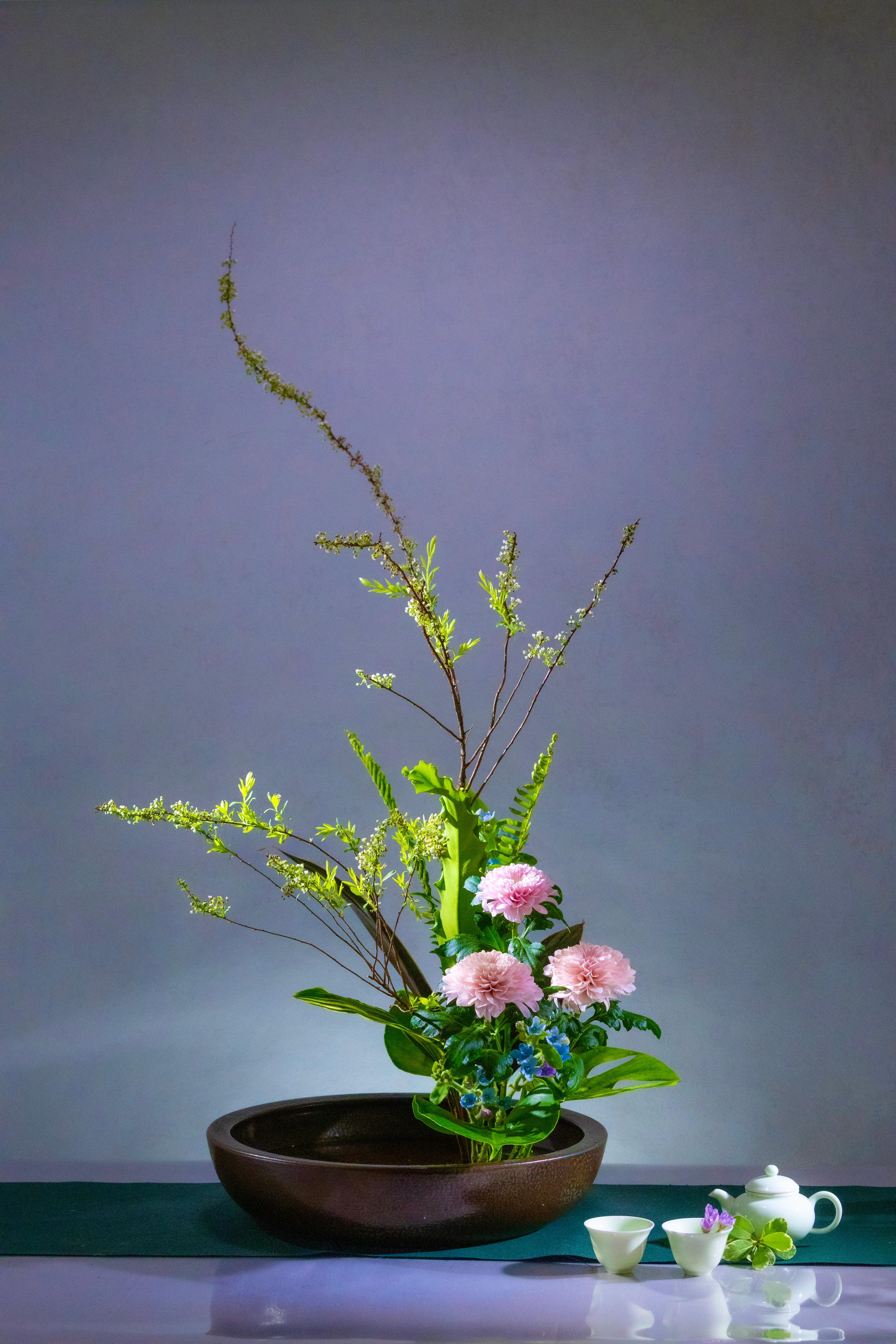
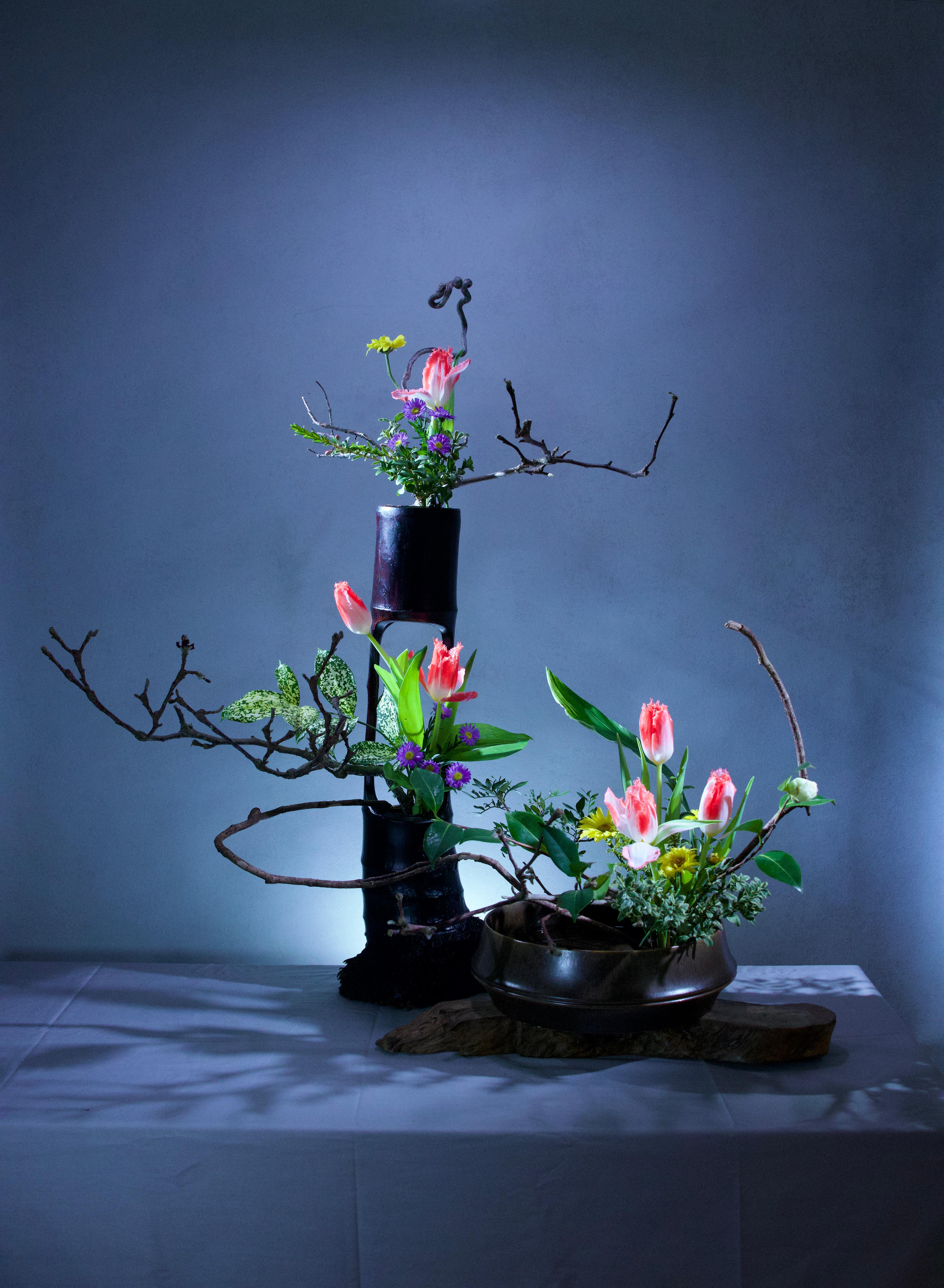
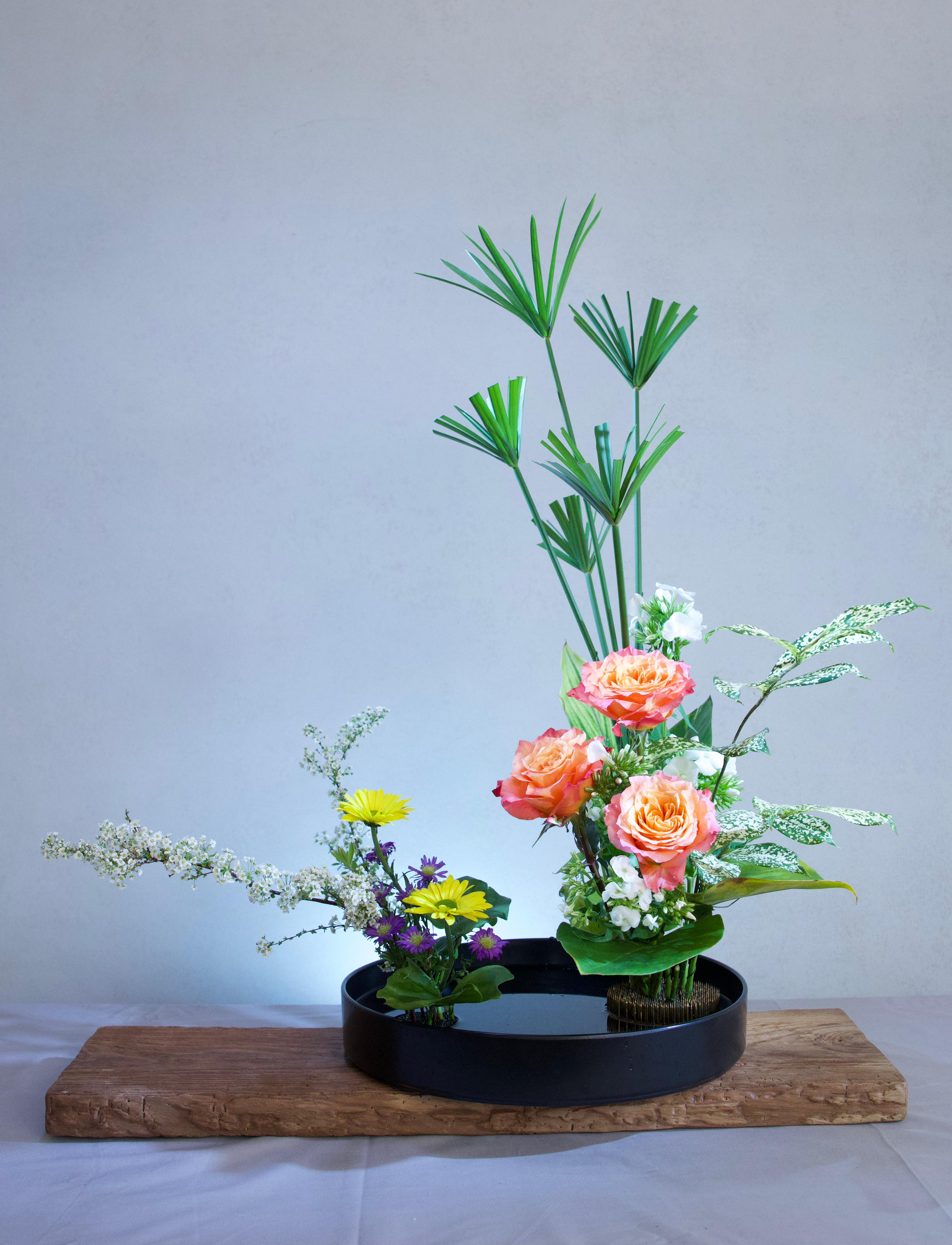
Chinese floral art is an art of spatial positioning. The arrangement's orientation and
proportions are based on principles derived from the Hetu and Luoshu diagrams (ancient Chinese
cosmological charts). Floral vessels are categorized into six types: vases, plates, jars, bowls,
tubes, and baskets.
Based on the creator's intent and subject matter, Chinese floral arrangements can be divided into
four types:
Scenic Flowers — Depicting landscapes
Conceptual Flowers — Conveying ideas
Imaginary Flowers — Expressing emotions or abstract thoughts
Sculptural Flowers — Focusing on form and structure
The framework of an arrangement is built around three main branches:
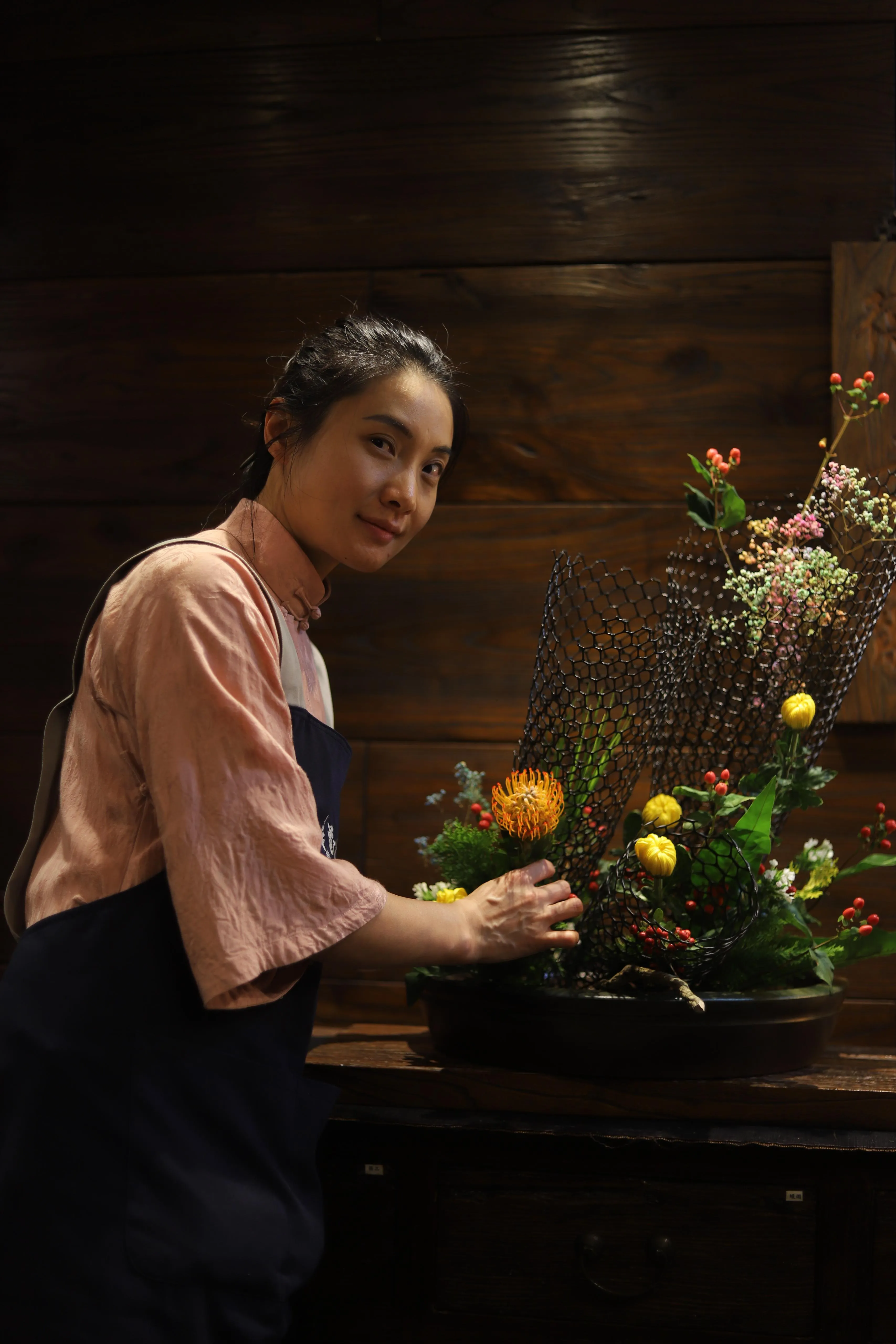 By Melody Zhang